
Natural Stone Selection
How to Choose Natural Stone for Your Home
At a glance
Start with the space and your tolerance for visible wear, then compare specific slabs, finishes, installation requirements, and written care instructions. Choose color only after suitability is established. Confirm material identity, treatments, slab layout, support design, and the complete installed scope before paying a deposit.

Choose for the room before choosing the color
Match stone to the conditions it will face, not simply the photograph you love. List cooking spills, standing water, foot traffic, cleaning habits, and hot appliances for each location. Use the table below to organize supplier conversations rather than treating any material as automatically suitable everywhere.
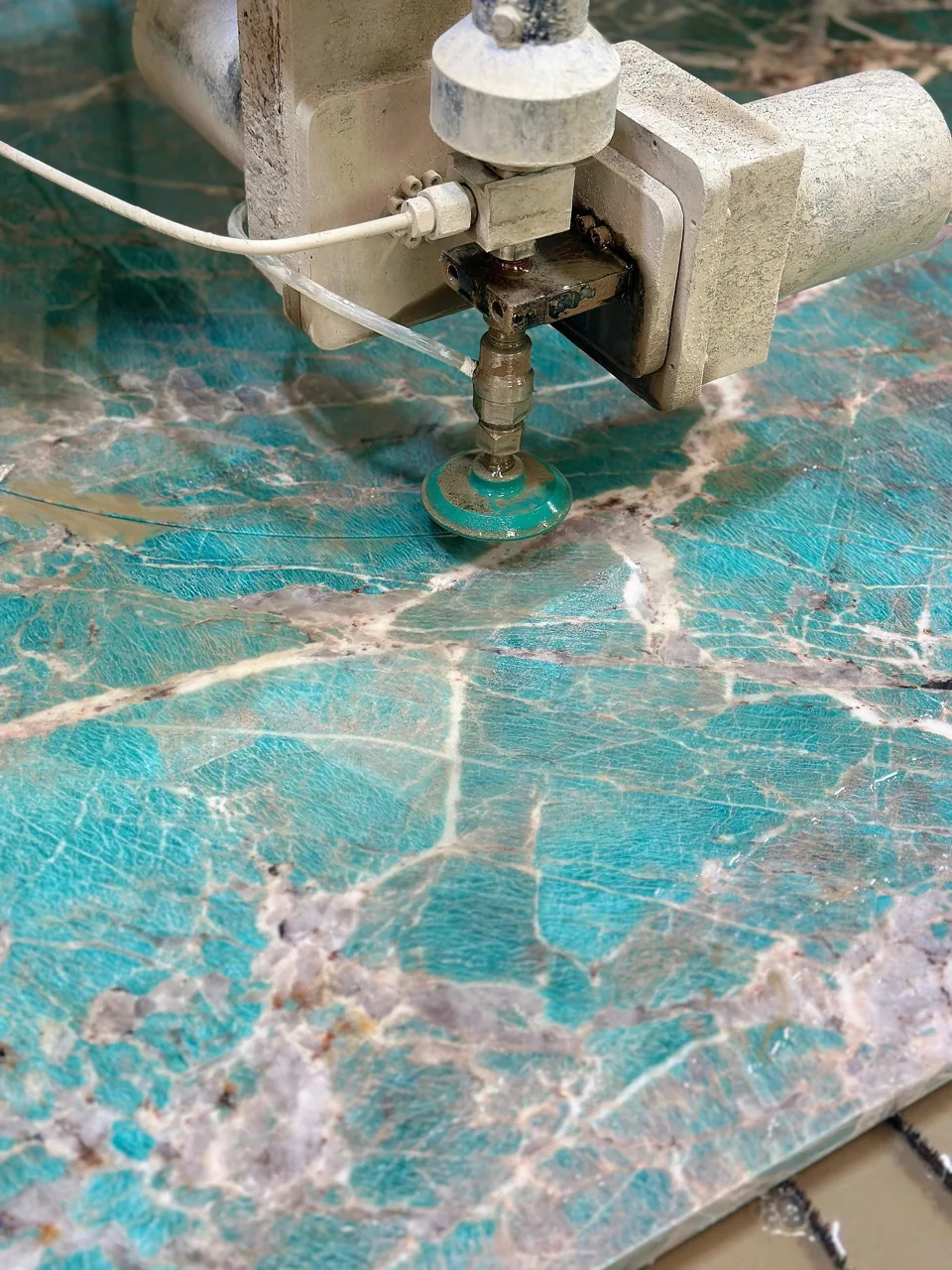
Creator Wangka Chuanbei presents blue, green, black, and white stone palettes across walls, islands, stairs, and floors. This is useful visual inspiration, not evidence that every pictured stone suits every application. Treat the report as a starting question: which actual material and finish can deliver this appearance in your room? [X01]
Confirm the material behind the sales name
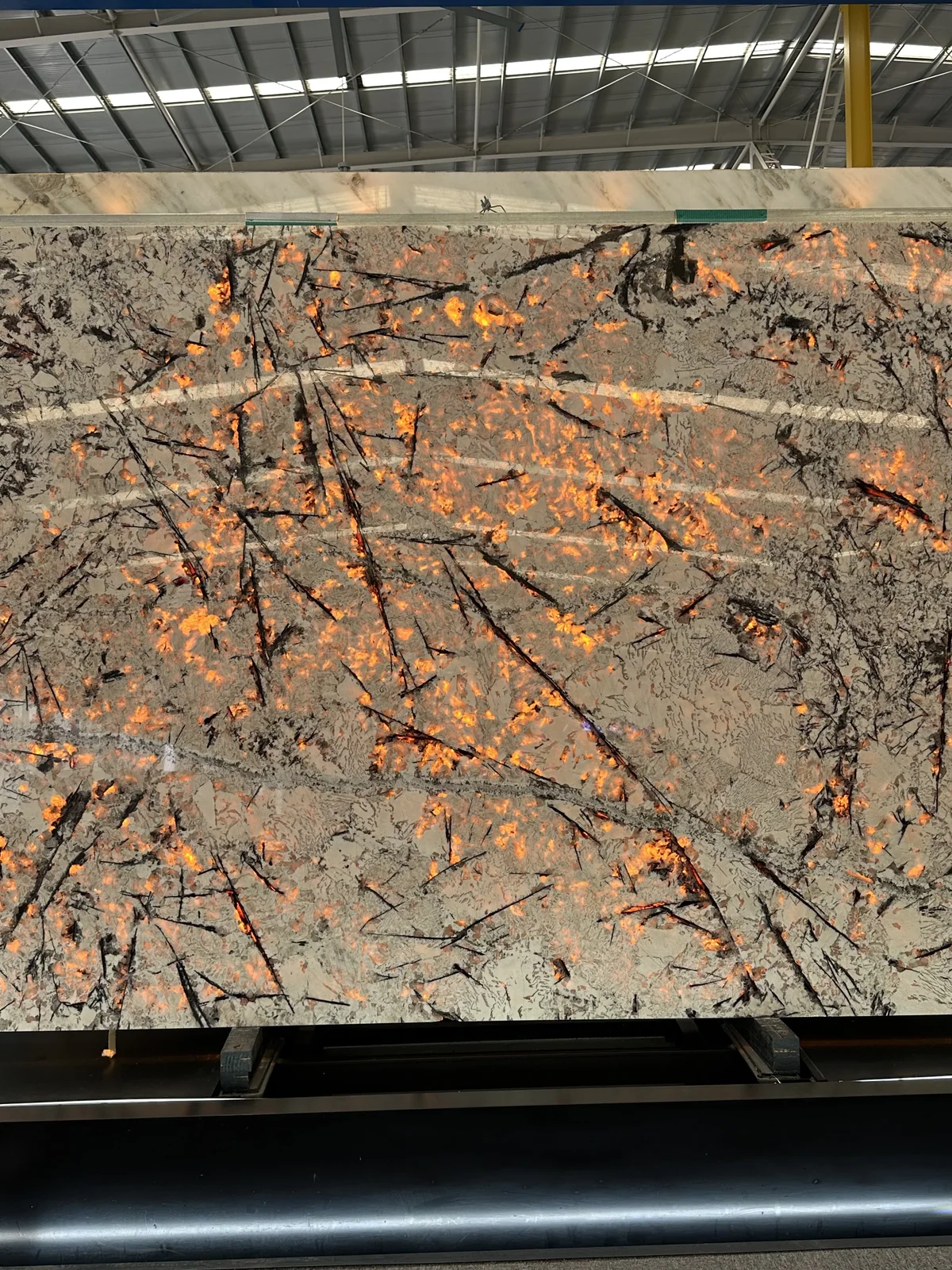
Get the material classification in writing before comparing performance. Marble and quartzite are different natural stones; countertop quartz is an engineered product. A commercial name, color, or marble-like vein does not establish composition. Natural Stone Institute educational material also warns that stones sold as quartzite may be mislabeled. (usenaturalstone.org)
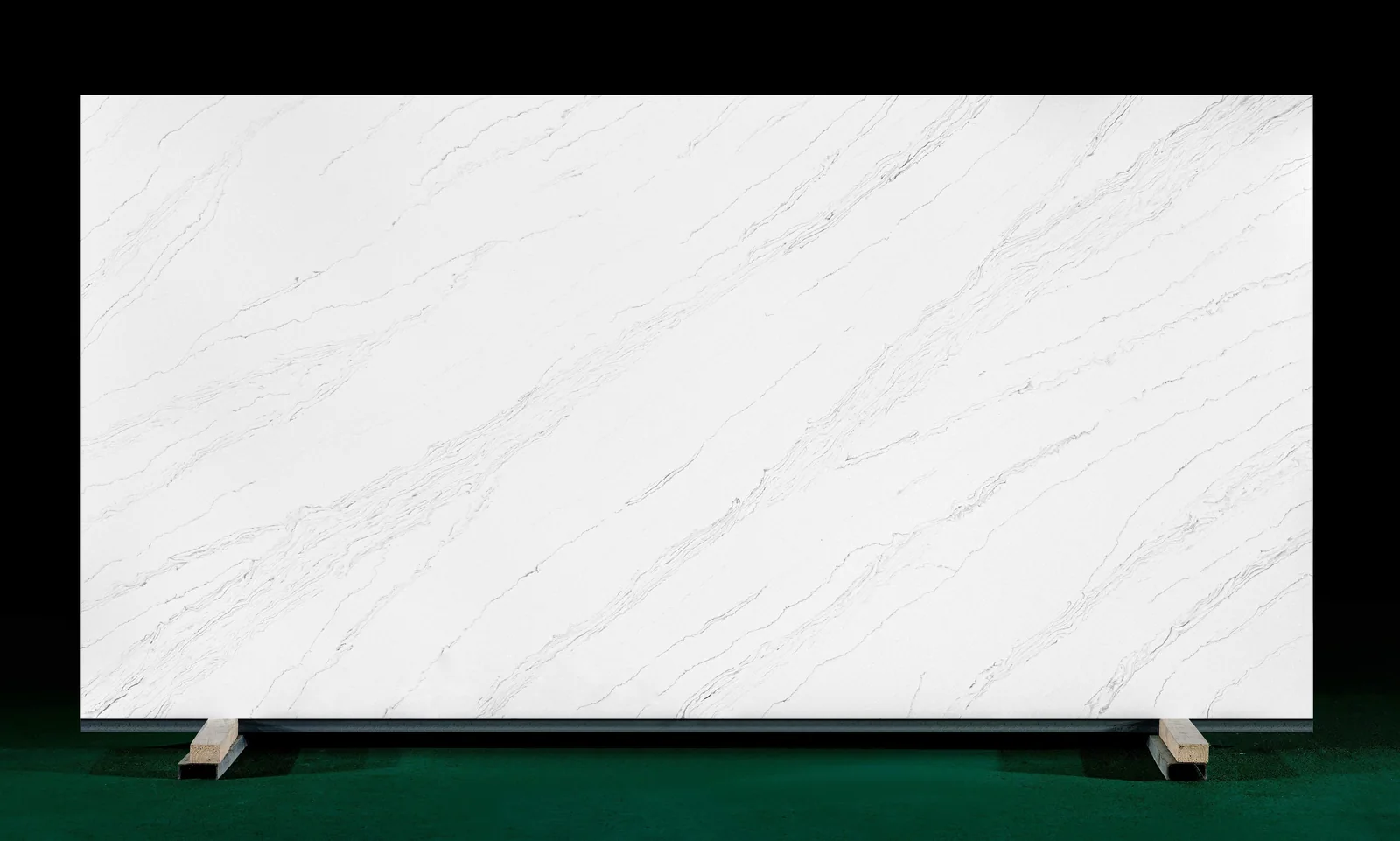
Quartzite porosity varies, so do not assume every quartzite slab needs identical care. Engineered quartz is manufactured with mineral particles, binders, and other ingredients; do not assume every pattern is printed. Ask the manufacturer how the selected design is produced and how it appears at exposed edges. Keep detailed marble, granite, quartzite, and engineered-quartz comparisons in separate material guides. (usenaturalstone.org)
Choose the maintenance you can realistically accept
Choose a surface whose aging and care requirements fit your household. Marble can etch even when sealed: etching is acid-related surface damage, not simply a liquid stain. If visible changes would frustrate you, discuss that concern before choosing marble for a frequently used preparation area. (naturalstoneinstitute.org)
Sealing is not a universal calendar task or a promise of stain immunity. Ask whether the selected stone needs an impregnator, which product is compatible with its finish and treatments, and how to assess future need. Obtain written cleaning instructions. Use trivets with all countertops, including natural stone and engineered quartz, rather than treating heat resistance as permission for direct hot-pan contact. (naturalstoneinstitute.org)
Compare complete installed proposals, not slab prices
Make suppliers price the same agreed scope. Request separate descriptions of material, templating, fabrication, edges, cutouts, delivery, installation, demolition, and any associated plumbing or cabinetry work. Ask what is excluded and what could trigger a change order. Compare the finished proposal rather than an isolated material allowance.
Require a project-specific slab layout instead of applying a standard waste percentage. Ask how vein direction, seam placement, and matching will affect the slabs you must purchase. Decide where visual impact matters most: a carefully selected feature surface may satisfy your design goal without extending the same material throughout the home. Include your willingness to arrange future cleaning or restoration in the budget discussion.

Confirm fabrication and installation before committing
Ask the fabricator to approve the actual application, not merely describe the stone as hard. Hardness concerns resistance to scratching; it does not establish structural strength. Request the relevant material data and a project-specific plan for openings, unsupported areas, joints, and attachment. Do not substitute a hardness ranking for installation design. (designingwithstoneportugal.com)
Have the supplier document slab identity, thickness, finish, visible repairs, resin or mesh treatments, and proposed seam locations. Ask who checks cabinets or substrates and who resolves unsuitable site conditions. Manufacturer requirements can be application-specific: Cambria, for example, states that its product is not structural support material and requires properly prepared supporting surfaces. Its instructions should not be generalized to every stone. (cambriausa.com)
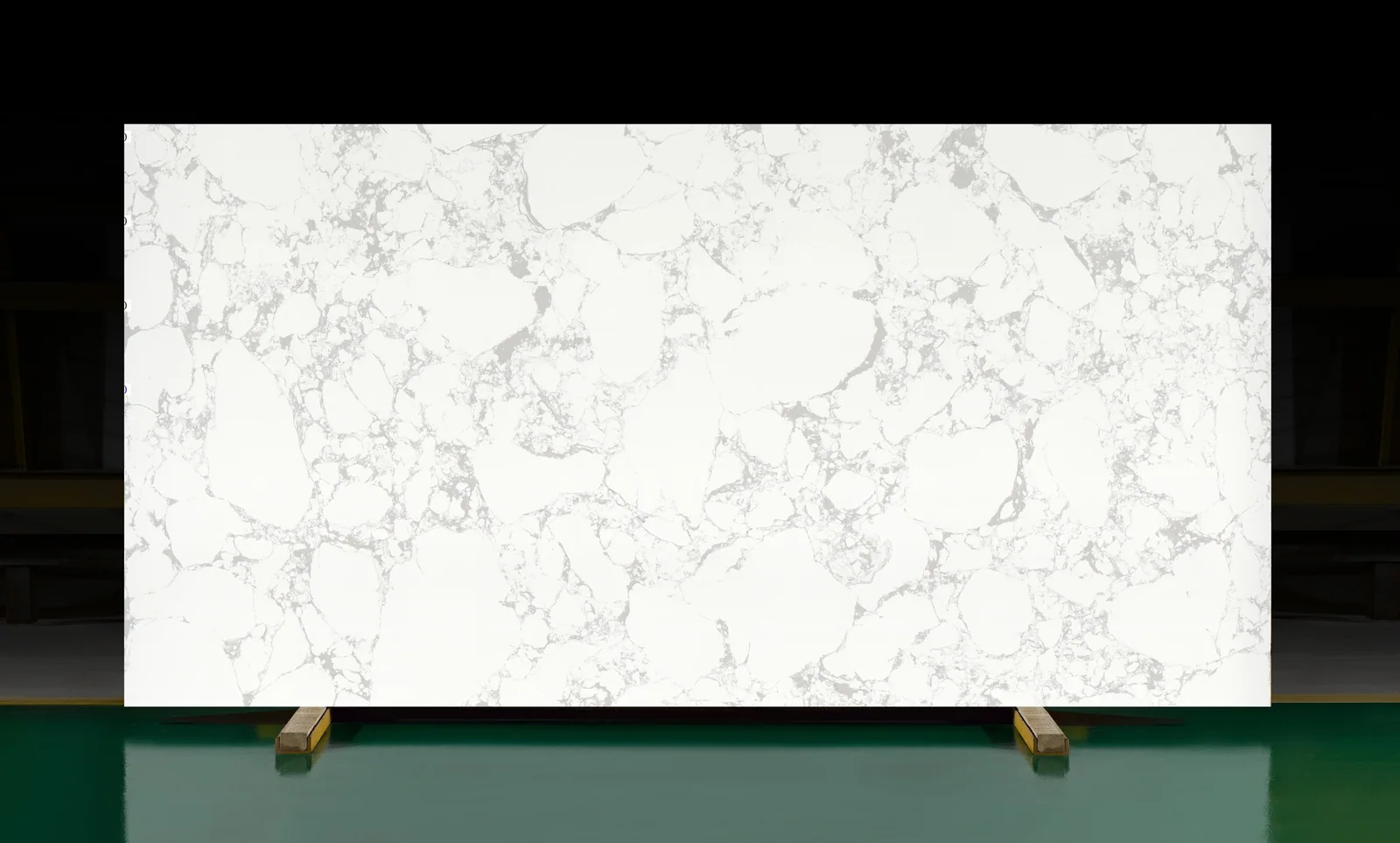
Approve the exact appearance and a written handover
Approve the selected slabs and proposed cutting layout before fabrication. Ask to review appearance under your intended lighting, alongside cabinetry and flooring. Record what you accept about color variation, veins, repairs, edges, and seams. Make substitutions subject to your written approval rather than relying on a showroom sample alone.
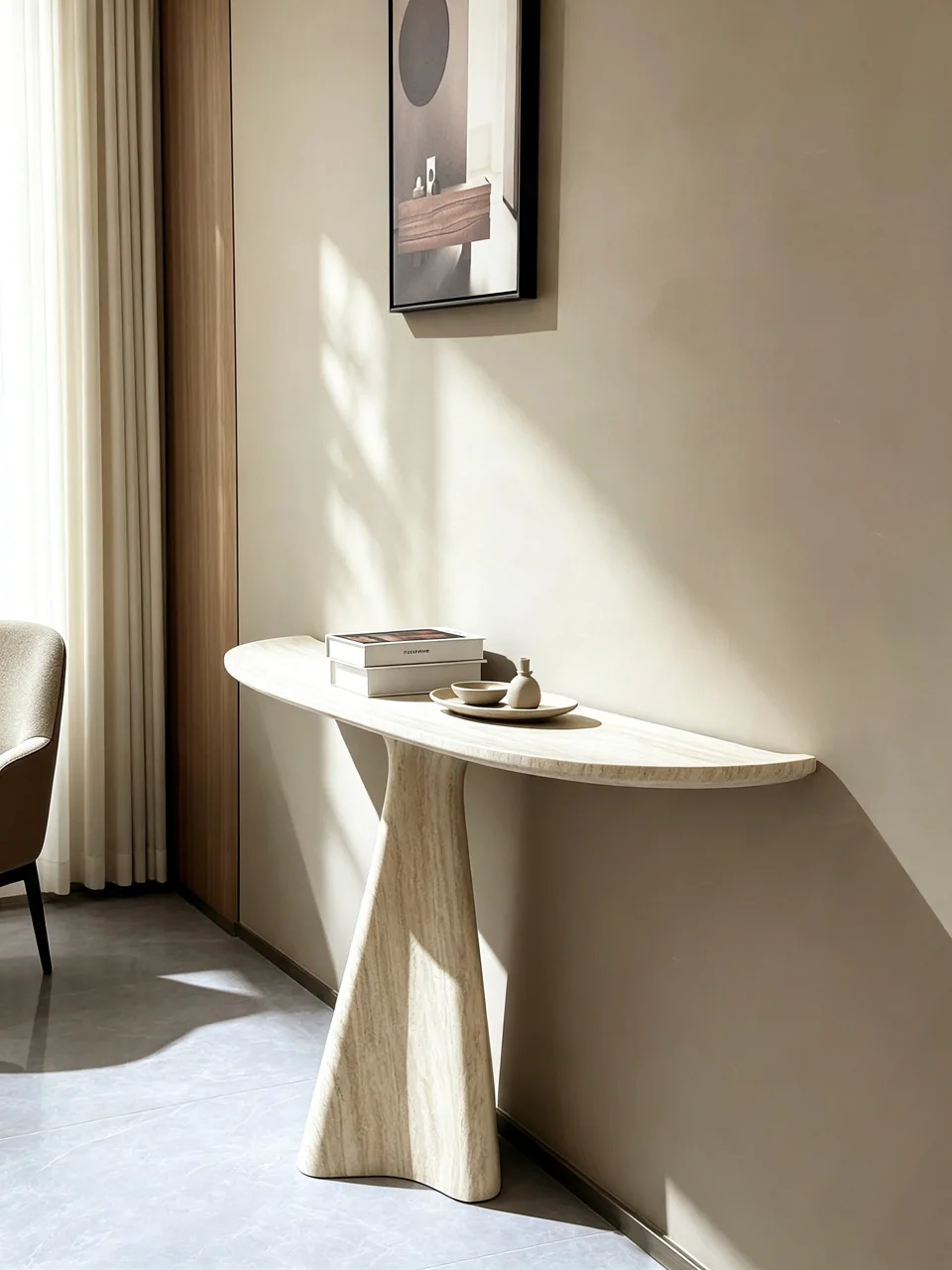
Creator DOO LIVING frames stone selection around its relationship with wood, color, and texture. Reader questions about named black and blue stones remain unverified requests, not proof of identity, origin, availability, or performance. Use them to prompt requests for actual slab photographs and documentation. [X02] Finish with a handover covering cleaning, sealing assessment, repair contacts, warranty exclusions, and responsibility for installation issues.
Decision checklist
| Space | Starting shortlist | Condition to confirm |
|---|---|---|
| Busy kitchen | Compare documented granite or quartzite options; consider marble only with informed acceptance of etching. | Exact stone identity, absorption behavior, treatments, care, and fabrication plan. |
| Bathroom vanity | Compare natural stones against cosmetic spills and your cleaning habits. | Cleaner compatibility, surface-change tolerance, and sink details. |
| Shower or wet floor | Request stone and finish options specifically assessed for the wet application. | Wet-use suitability, slip-performance information, drainage, waterproofing, and cleaning. |
| Floor or stairs | Prioritize application suitability before dramatic veining. | Wear requirements, finish, substrate, edges, and installation design. |
| Feature wall | Shortlist by appearance after confirming installation feasibility. | Slab layout, weight, attachment, substrate, and access. |
Frequently asked questions
Will sealing make marble suitable for a worry-free kitchen?
No. Sealing may improve stain resistance, but it does not prevent acid etching. Choose marble only if its care requirements and potential surface changes are acceptable. (naturalstoneinstitute.org)
How often should natural stone be resealed?
There is no universal interval. Need depends on the stone, existing treatment, sealer, and use. Ask for a product-specific assessment method and instructions rather than accepting an automatic schedule. (naturalstoneinstitute.org)
Is quartz the same as quartzite?
No. Quartzite is natural stone; countertop quartz is engineered. Confirm the exact product because quartzite absorption varies and engineered-quartz care follows manufacturer instructions. (usenaturalstone.org)
Sources and further reading
- Natural Stone Institute: Care and Cleaning of Natural Stone
- Natural Stone Institute: Sealing Natural Stone Countertops
- Use Natural Stone: Natural Quartzite and Engineered Quartz—What’s the Difference?
- Cambria: Product Care
- 旺卡川贝 · Xiaohongshu source post
- DOO LIVING高定木作工厂 · Xiaohongshu source post
- Natural Stone Institute: Natural Stone Guide (historical technical guide; confirm current project requirements)
Creator posts illustrate reported experiences and visual examples. Product identity, suitability and installation requirements should be confirmed for the actual material and project.