
AxoStone · Material & project guide
Limestone surface finishes: compare the process and the sample
Limestone finish names describe appearance and processing, but do not define a universal result. Bush-hammered surfaces are pitted, brushed or leathered surfaces have restrained relief, and grooved surfaces have repeated channels. Pattern names such as “flowing” or “wave” need a dimensioned sample. Confirm the exact stone, finish and intended use; visible roughness alone does not establish slip resistance.
Distinguish a process from a pattern name
Use the supplier’s stated process for established descriptions such as bush-hammered, brushed or grooved. Terms including flowing, wave or other decorative labels may describe a specific workshop pattern. Ask for the actual tooling, direction and dimensions rather than treating a translated label as a standard.
Compare physical samples made from the proposed stone. A catalogue photograph cannot establish that two surfaces share the same material, treatment or processing.
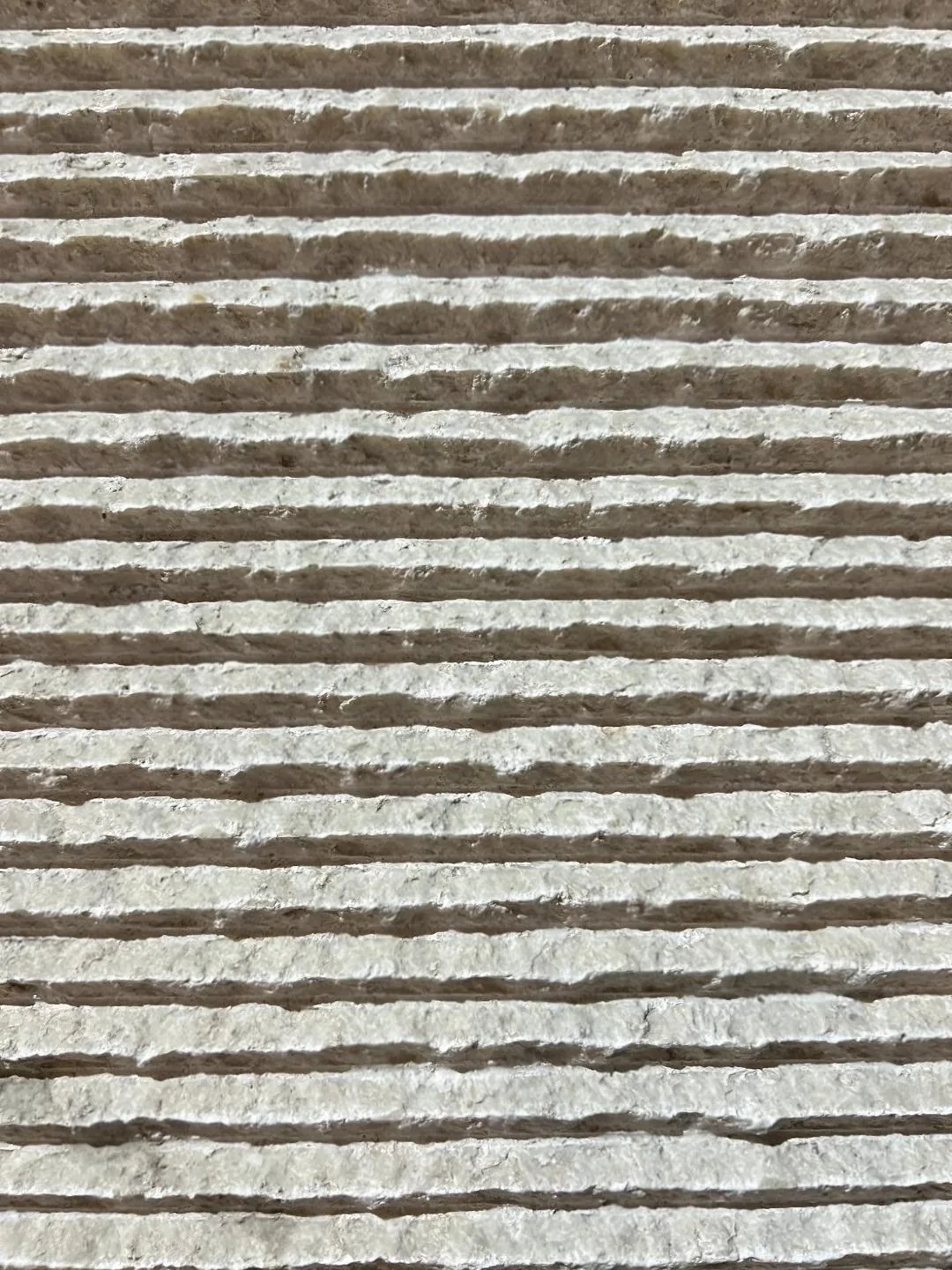
Compare the surface you can see
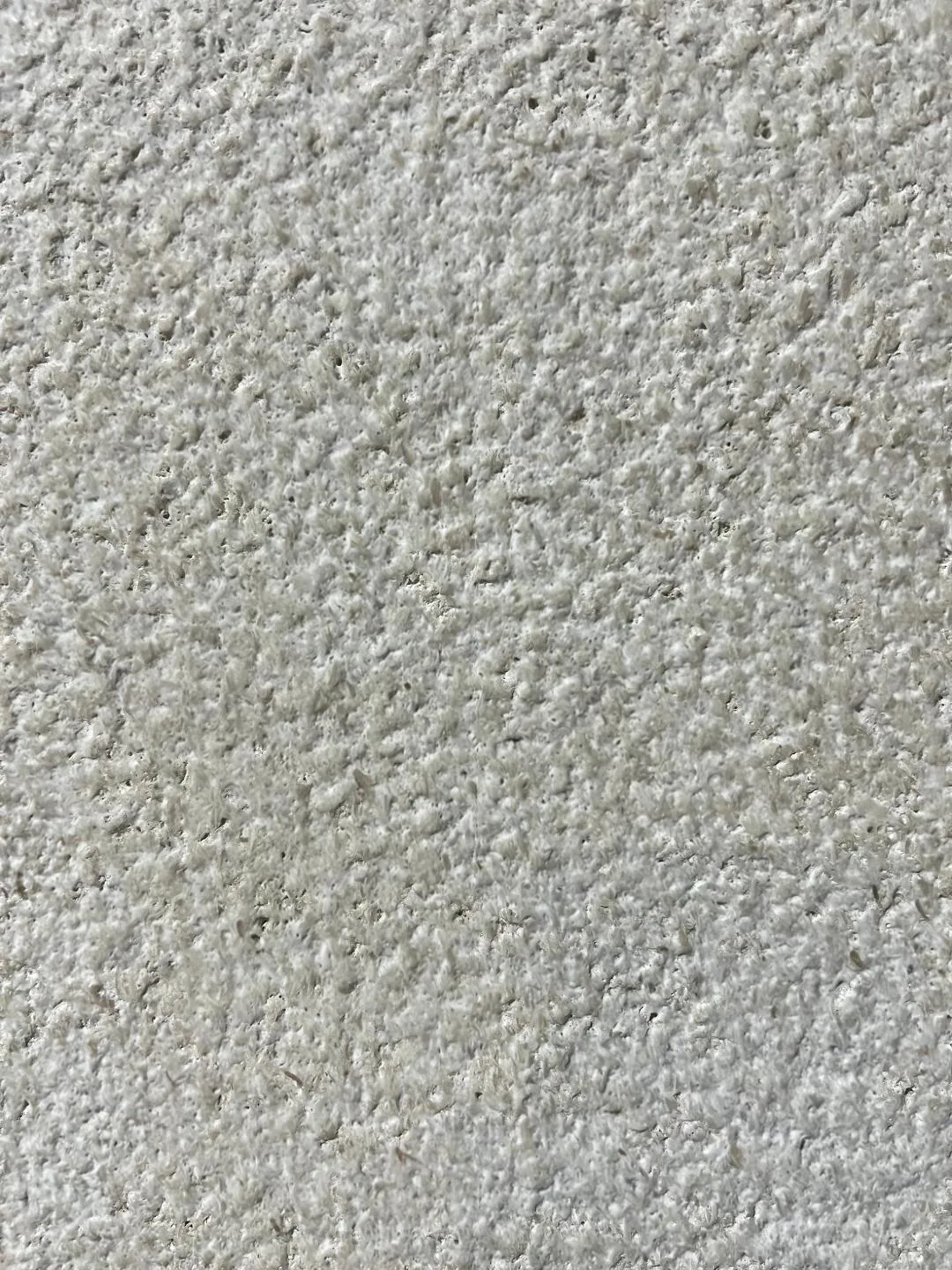
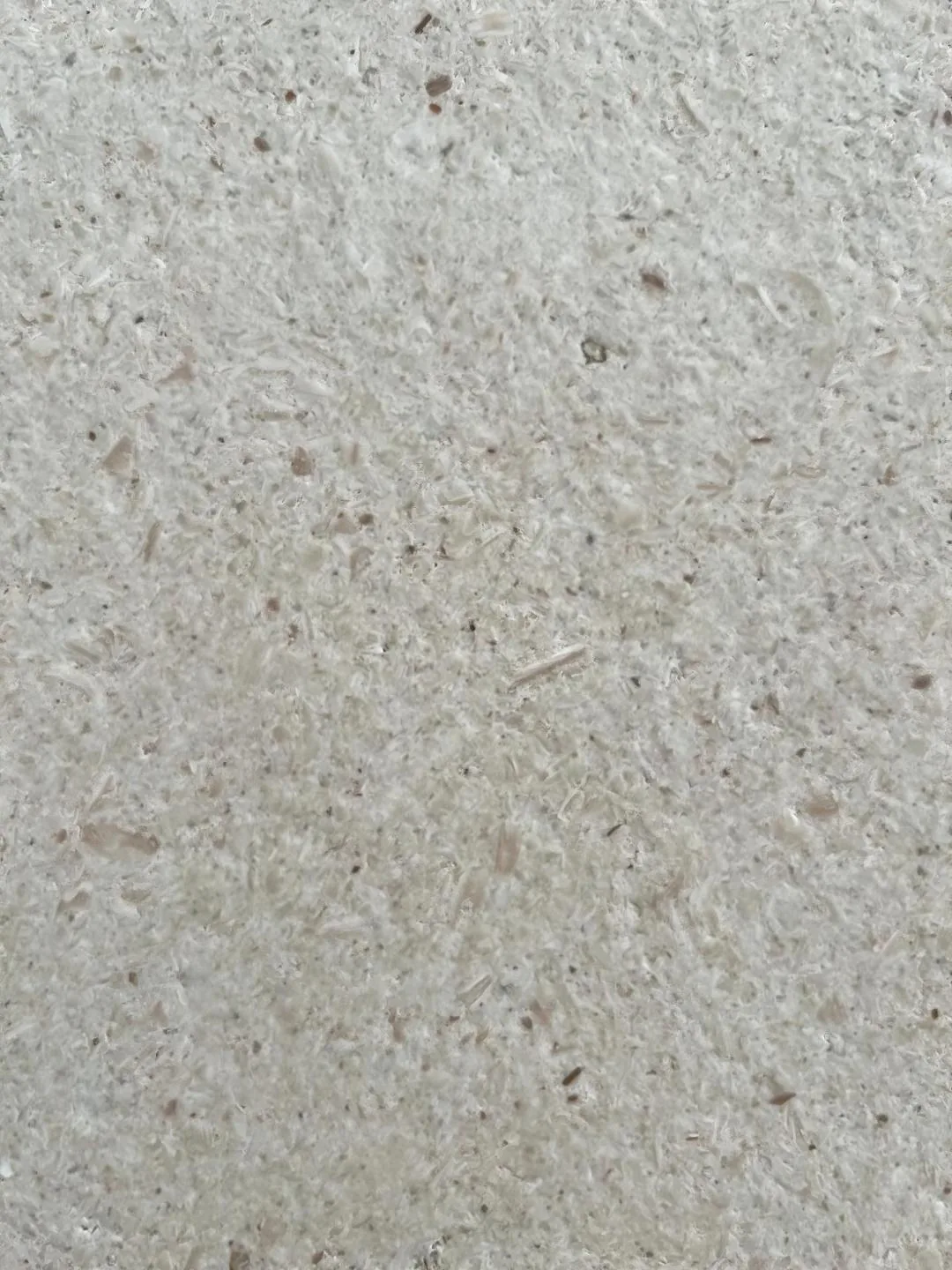
The nine textures below come from a collected visual reference set. Some names describe established processes; others describe a workshop’s particular pattern. “Fine-linear,” “flowing” and “wave” are useful visual descriptions, but they do not define a universal cutter, groove depth or result.
| Finish description | Visible character | Ask to approve |
|---|---|---|
| Bush-hammered | A dense field of small impact-like pits and raised points | Texture intensity, consistency and treatment at edges |
| Leathered or brushed | A softer-looking, low-reflection surface with restrained relief | Actual brushing process, touch and variation between areas |
| Sandblasted | An even granular surface without a polished reflection | Grain scale, color shift and finish consistency |
| Chiseled | Pronounced directional marks with a hand-worked appearance | Tool-mark spacing, depth and the intended degree of irregularity |
| Split or natural-face texture | Uneven relief and irregular high points | Maximum projection, exposed ends and corner treatment |
| Fine-linear texture | Closely spaced parallel ridges or grooves | Spacing, direction and continuity across panel joints |
| Flowing texture | Rough horizontal bands with an irregular rhythm | Pattern repeat, alignment and changes between pieces |
| Wave texture | Repeated curved ridges that form a flowing light-and-shadow pattern | Wave pitch, depth and how the pattern meets a corner |
| Grooved texture | More clearly separated, repeated linear channels | Groove width, depth, ends and the remaining stone section |
Finish availability depends on the particular limestone and producer. For example, Polycor’s material sheets list finishes against specific stones and warn that photographs and printed reproductions may not accurately represent natural colors. Treat a general texture board as inspiration, then obtain the proposed stone in the proposed finish.
Review the sample in the intended light
A small sample viewed flat on a desk cannot show everything a wall will do. Stand it in the proposed orientation. Look at it under daylight, the room’s general lighting and the intended wall-washing or grazing light. Rotate it once: directional grooves can look very different when light crosses them instead of running along them.
For strongly patterned relief, place several pieces together. Check whether the repetition feels calm or busy at the distance from which the wall will normally be seen. Include a joint and an exposed edge in the mock-up. A convincing central texture can still become awkward where it turns a corner, meets timber or stops beside a doorway.
Match the evidence to the application
Appearance does not establish performance. A visibly rough finish should not be described as “non-slip” without relevant evidence for the actual stone and surface. Singapore’s Building and Construction Authority notes that natural-stone slip resistance can deteriorate when a surface is wet or contaminated. Its natural-stone finishes guide is a useful explanation of why the use conditions matter.
For flooring, ask the project team to define the required test method, conditions and acceptance criteria. For exterior work, ask for evidence relevant to exposure and climate, together with the proposed installation system. A successful indoor wall sample does not establish exterior durability. For deep relief, the designer and fabricator also need to resolve remaining section thickness, fixing zones and vulnerable edges.
Test the maintenance routine on a spare sample
Inspect the recesses as well as the raised face. Determine whether the intended cleaning tool can reach them, how dust will be removed and whether a treatment changes the color. Agree the cleaning product with the material supplier and try it on a spare piece before it is used across the finished work.
Limestone is acid-sensitive. The Western Australian government’s stone-cleaning guidance identifies limestone and marble as materials requiring neutral cleaners and appropriate preliminary tests. Do not assume a household limescale remover is suitable for a limestone surface.
What belongs on the approval sheet?
- Material: supplier name, stone identity and lot or sample reference.
- Finish: workshop process and a dated physical control sample.
- Geometry: texture direction, relief or groove dimensions, panel sizes and exposed edges.
- Layout: joint locations, corner detail and pattern continuity.
- Performance: application-specific evidence requested by the project team.
- Care: approved cleaning method and any agreed treatment.
Keep the approved sample available during production and installation. If the stone lot, tooling or finishing process changes, compare a new sample before accepting the change. For detailed linear relief, continue with fluted-stone detailing and cleaning; for material identification, use the stone trade-name checklist.
Create a comparable sample record
Record the actual stone and sample ID, finish description, dimensions, groove spacing where relevant, date and supplier. Photograph each face with a scale, then compare the set under the same lighting and orientation. Retain the approved physical sample for later comparison.
Separate visual review from performance evidence. If slip resistance or outdoor suitability matters, request the relevant report for the actual material and finish, with the test method and use conditions identified.
Keep the decision with the evidence: use the AxoStone material and sample approval records.
Identify the stone and choose a finish for the actual use
A limestone trade name or colour description does not establish geological identity, quarry or lot. Keep the supplier's original name, claimed category, origin evidence and sample or slab ID separate; leave an unconfirmed origin open. Use the trade-name verification guide.
Honed or polished limestone?
Honed finishes are generally lower in sheen, while polished finishes reflect more light. Compare both on the proposed stone, under the intended lighting, and confirm the actual finish and care guidance. Appearance alone does not establish stain, slip or scratch performance. See finish selection and care.
Furniture or a basin?
For furniture, identify the piece dimensions, edge, joints, supports and handling responsibilities on a project-specific drawing; the responsible professional must assess the structure. For a basin or vanity, coordinate the waste, tap, openings, water exposure and cleaning plan with the responsible installer. Request evidence and a finished sample for the actual stone and treatment; do not assume that a rough-looking finish is suitable for every wet use. See the basin planning guide.
Visual references
Reference projects and products belong to their credited designers and makers. Images illustrate design ideas and do not document AxoStone stock or completed work.